Recalling Tsushima
Could a battle in 1905 be echoing lessons for us 120 years later?

How many of us know what Tsushima is, and where it might lie on a map? It might sound like that well known Japanese food item, but Tsushima is actually the location of a rather tasty piece of geopolitical and cultural history.
Feel free to skip to the section ‘An American Chinese Analog?’ if the historical section is not of interest.

The year was 1905, and while the Russian ship of state was not exactly sailing smooth and proud, she had a few relatively recent “highlights” to keep pride and morale high. You see, the conclusion of the Russo-Turkish War (1877-1878) was still relatively fresh on the people’s minds. Russia’s victory over the Ottoman Empire, a significant regional power despite its decline, was a source of national pride, helping to dissolve the horrors of the Crimean war a couple of decades earlier. The successful campaigns, like the capture of Plevna, reinforced the belief that Russia’s massive army could overwhelm opponents through sheer numbers and determination. This victory, though costly and exposing weaknesses, was celebrated as proof of Russian military prowess.
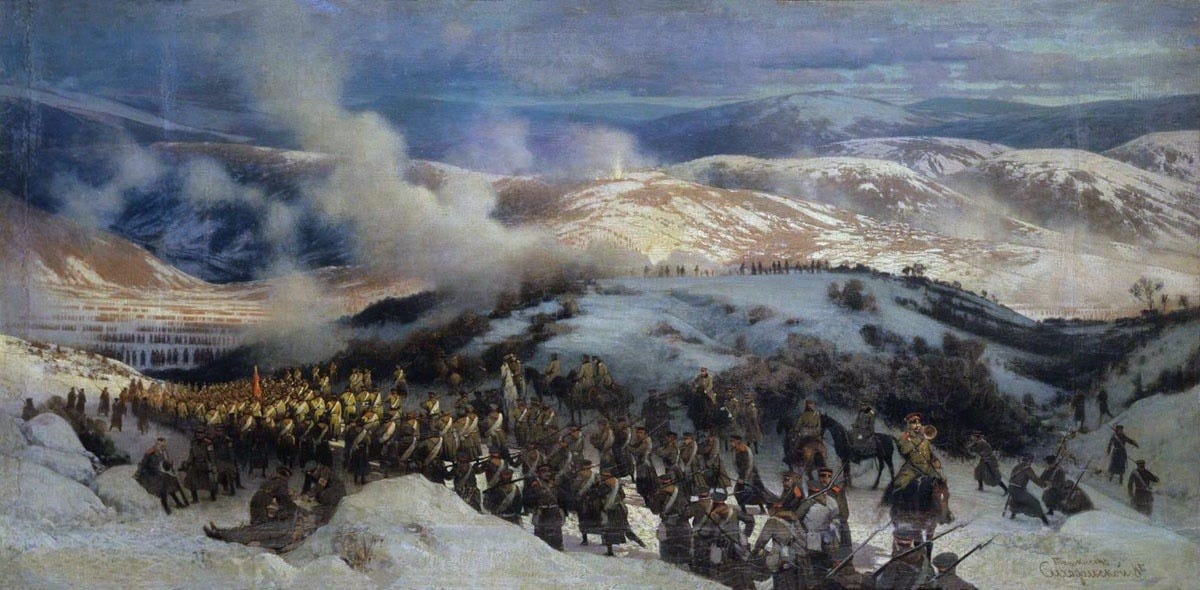
During this period, there were also numerous Central Asian Conquests (1865-1885): Russia’s rapid conquest of Khanates like Bukhara, Khiva, and Kokand against less technologically advanced foes showcased its ability to project power and expand its empire. These campaigns, often against poorly equipped opponents, gave the military and leadership a skewed sense of invincibility, as they faced little resistance.
The prolonged Caucasus Pacification was also simmering during this period, allowing for the successful suppression of resistance in the Caucasus (e.g., after capturing Shamil in 1859). This brutal struggle spanned 47 years from 1817-1864, with its conclusion perhaps further bolstering the narrative of Russian military dominance in imperial theatres.


During this period, another nation on the eastern reaches of the Russian empire was going through nothing short of a metamorphosis. In 1868, Emperor Meiji of Japan moved his capital from Kyoto to Edo (Tokyo) after concluding the war with the Tokugawa Shogunate. This marked the beginning of the significant Meiji Restoration (1868-1912).
The Meiji Era saw Japan transformed from a feudal society into an industrial and military power. Changes included:
Political Reforms
Abolished feudalism (1871) – Daimyo (lords) lost power; centralized government formed.
1889 Meiji Constitution – Created a constitutional monarchy (modeled after Prussia).
Economic Modernization
Land reforms, taxes, and industrialization (e.g., Zaibatsu conglomerates).
Built railroads, telegraphs, and factories (e.g., Yokohama Silk Mills).
Military Reforms
1873: Conscription law created a modern army (replacing samurai).
Adopted Western tactics and weapons (e.g., defeated China in 1894–95 Sino-Japanese War).
Social & Cultural Changes
1876: Ban on samurai swords & topknots.
Western dress, education, and technology encouraged.
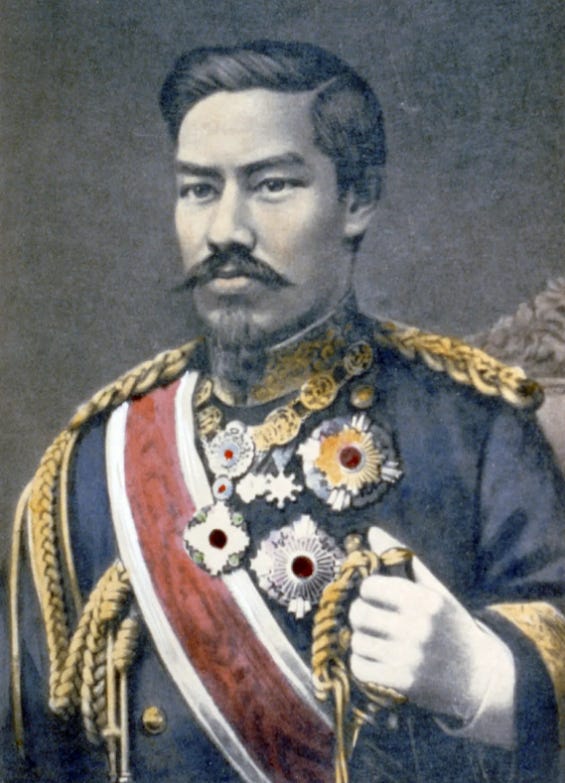
The Meiji Restoration turned Japan from an isolated feudal state into a modern empire in just 40 years—a unique case of rapid, self-driven modernization. It also allowed Japan to become Asia’s first industrialised nation, avoiding colonization along the way.

Enter Tsushima. Actually, enter Port Arthur located at the southern tip of China's Liaodong Peninsula in Northeast Asia, Jutting into the yellow sea. Port Arthur was a natural harbour that lended itself to fortifications, with hills for artillery and a geography that allowed for minefields and coastal guns. It is currently Named Lüshunkou District, and it is part of Dalian City, Liaoning Province, China.
Why This Location Mattered
Ice-Free Port: Russia’s only other warm-water naval base in East Asia, critical for projecting power.
Gateway to Manchuria: Controlled access to Russian-held South Manchuria Railway.
Symbol of Prestige: Losing it doomed Russia’s Far East ambitions, and gaining it would give Japan a much needed platform to expand.
Long story short, it was important for all regional powers to have control of this port, if they wanted to maintain their primacy in the North East.
A Brief History of Port Arthur (Lüshun): The Prize That Changed Hands
1. Qing China’s Strategic Port (Pre-1894)
Original Name: Lüshun (旅顺), a fortified harbor on the Liaodong Peninsula (Manchuria).
First Fortifications: Built by Ming/Qing dynasties to guard against pirates and invaders.
Western Name: British renamed it Port Arthur in 1860 after a Royal Navy officer.
2. First Sino-Japanese War (1894–1895) → Japan Takes It
1894: Japan storms Port Arthur, massacring 20,000 Chinese civilians/soldiers.
1895 Treaty of Shimonoseki: China cedes Port Arthur permanently to Japan.
3. The Triple Intervention (1895) → Forced Handover
Russia + Germany + France gang up, forcing Japan to return Port Arthur to China days after the treaty of Shimomoseki.
Qing Dynasty’s Dilemma: Weak and indebted, China leases it to Russia in 1898 (25-year lease), in the hope that Russia would act as some sort of Bulwark against a rising Japanese power.
4. Russo-Japanese War (1904–1905) → Japan’s Revenge
1904: Port Arthur housed Russia’s First Pacific Squadron, its main naval force in Asia.
Feb 1904: Surprise Attack: Admiral Tōgō Heihachirō launched a torpedo boat strike on the anchored Russian fleet (February 8–9, 1904), crippling key ships.
April 1904: Russian flagship Petropavlovsk sank after hitting a mine, killing Admiral Stepan Makarov (their best commander). Japanese ships blockaded the port, trapping the fleet.
August 1904: Japan besieges Russian-held Port Arthur for 5 bloody months of brutal trench warfare, where the Japanese suffered 60,000+ casualties.
December 1904 – Russian Fleet Destroyed. Trapped Russian ships are sunk by Japanese guns or scuttled by their crews.
Jan 1905: Russia surrenders; Japan reclaims it under the Treaty of Portsmouth.
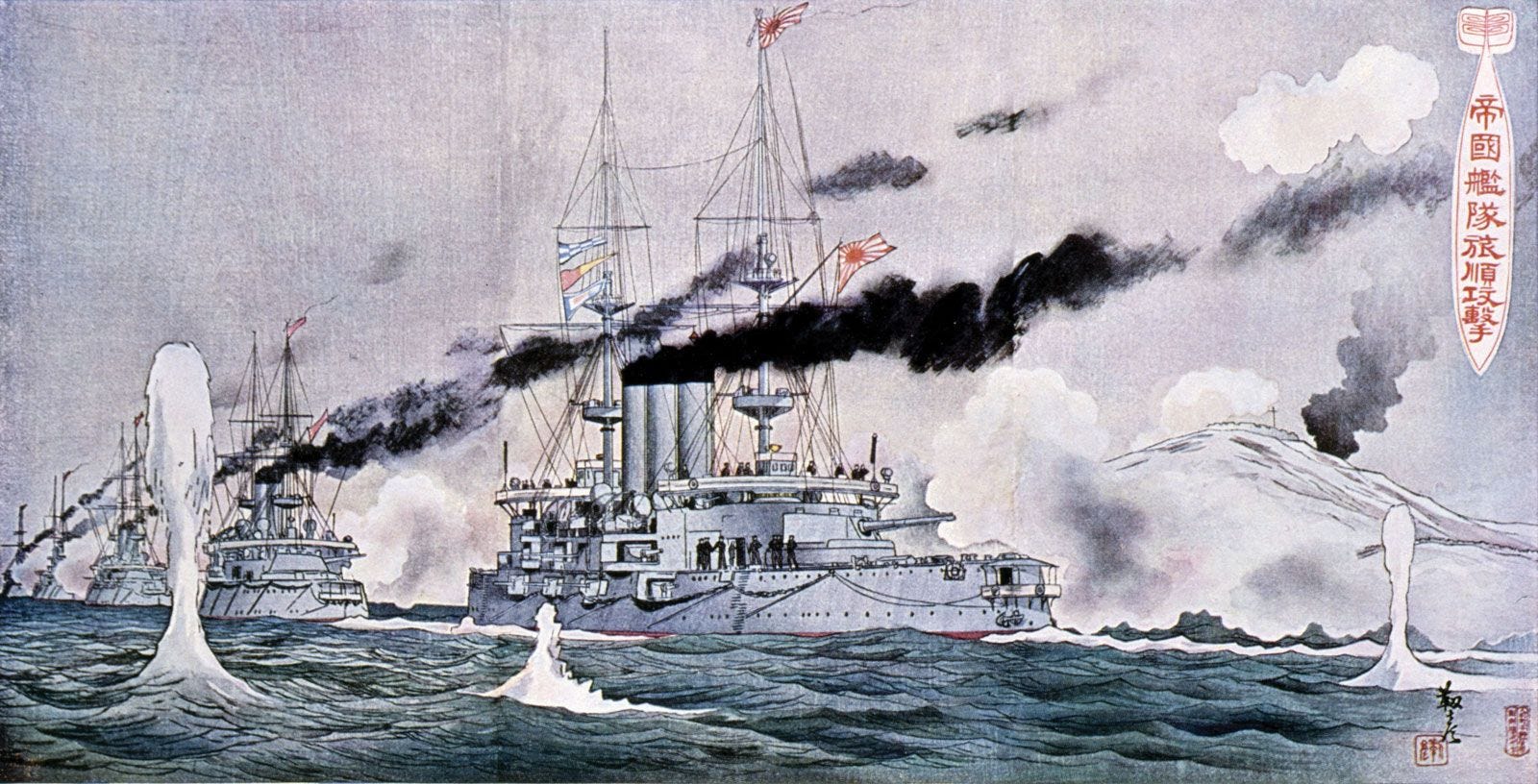
Now, enter Tsushima.
The Russian state, a European imperial power, probably viewing herself as a near peer to the great British empire of the time, had just lost Port Arthur to the Japanese. Not only had she conceded the port, but also her entire pacific fleet. All this happened within the span of a year. What was she to do? And it was not lost to a peer adversary, but one that was still wielding swords a mere 3 decades back.
The Japanese knew what the Russians would do. They would not act, but react. Admiral Togo Heihachiro knew that Russia’s Baltic Fleet (renamed the Second Pacific Squadron) was desperately trying to reach Vladivostok (1904–1905) for three critical reasons:
1. Vladivostok: Russia’s Only Remaining Far East Naval Base
Port Arthur had fallen (January 1905) to Japan, leaving Vladivostok as the sole remaining Russian ice-free port in the Pacific.
Without it, Russia would lose all naval power in Asia.
2. Strategic Resupply & Reinforcement
Reinforce the War Effort: The fleet carried fresh troops, guns, and supplies to sustain Russia’s crumbling Manchurian campaign.
Threaten Japan’s Supply Lines: From Vladivostok, Russian ships could raid Japanese shipping in the Sea of Japan.
3. Political & Psychological Necessity
Avoid Total Humiliation: After losing Port Arthur, the Tsar needed a symbolic win.
Morale Boost: A successful voyage might rally Russian forces and deter Japan’s advance.
And so, he set a trap, lying in wait for the exhausted Russian Baltic/pacific at the Tsushima Strait (between Korea and Japan).
Outcome: The Fleet Never Made It
May 27–28, 1905: Tōgō annihilated the Russians at Tsushima. Of 38 ships:
21 sunk/captured (including 8 battleships).
4,380 dead, 6,000 captured.
The Russo-Japanese War (1904–1905) officially ended with the Treaty of Portsmouth, signed on September 5, 1905, in Portsmouth, New Hampshire, USA.
And so it was official. The mighty Russian empire, brought to her knees by the upstart Japanese. Remember, Russia had 3× Japan’s population, 3× its GDP, and a much larger resource base.
How did it go so wrong? Russia, despite industrializing somewhat, was still a feudal agrarian empire, with logistical and administrative weaknesses. Its navy was outdated, and its railways insufficient for fast mobilization in the Far East.
On the flip side, Japan had just undergone the Meiji Restoration (1868–1900s), rapidly adopting Western industrial models, modernizing its military, and creating an efficient state apparatus.
Aftermath
Japan emerged as Asia’s first modern imperial power.
Russia’s humiliation accelerated revolutionary movements, with Tsar Nicholas II forced to look internally seeking to hold onto power.
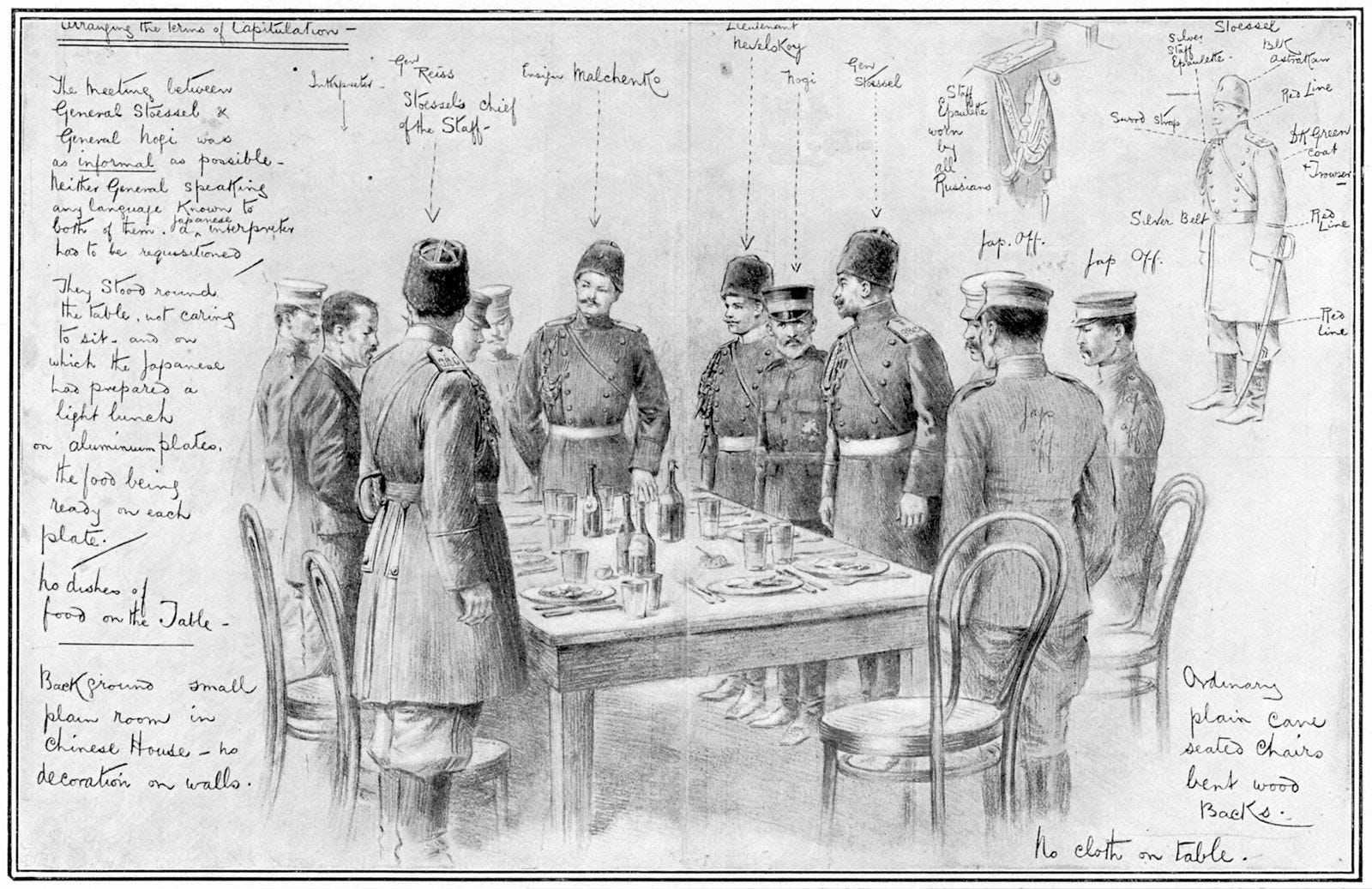
An American Chinese Analog?
While reading this fascinating chapter of history, I was struck by certain parallels with today’s power struggles between China and the United States. Could there be echoes from the past that we ought to heed? Imagine shifting the chessboard slightly: What if a modern analogue to the Russo-Japanese War unfolded not over the Liaodong Peninsula, but over control of global trade and commerce? In such a scenario, could a newly modernized China ever challenge the reigning hegemon?
Japan clashed and overcame Russia in 1905. This is approximately 37 years after the beginning of the Meiji Restoration, which marked a swift and breathtaking period of modernisation and industrialisation.
Deng Xiaoping started China’s reforms in 1978. After 32 years, China was the world’s second largest economy (2010). After 40 years, the US-China trade war & tech decoupling begins.
Russia had many years to observe Japan as she modernised. Russia even had front row seats to the first Sino-Japanese war, seeing how a larger (but less modern and effective) China was no match for her smaller neighbour. Russia even had to use diplomatic means and exploitation of a weak Qing China to get her hands on Port Arthur in 1898.
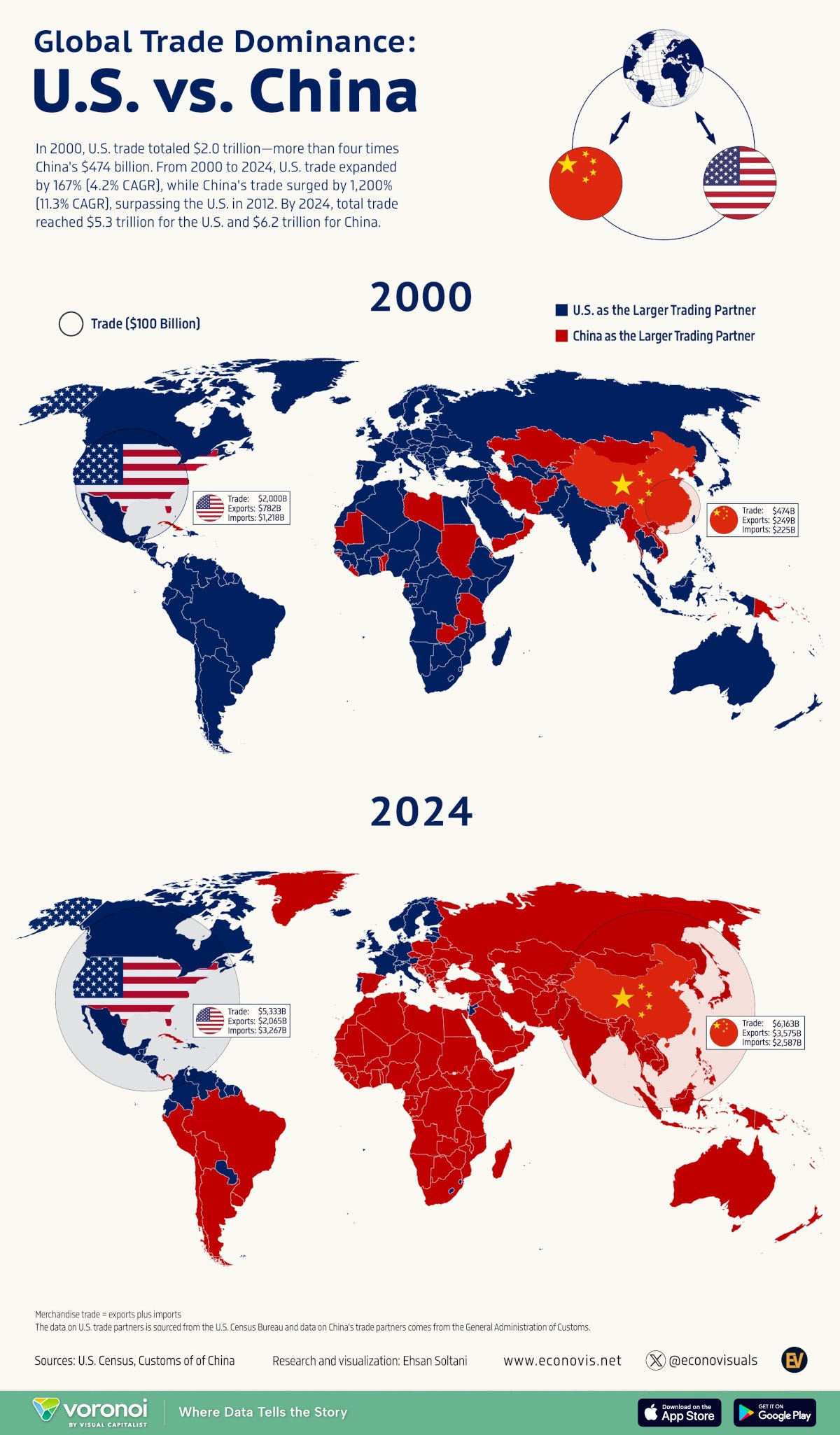
The world has had all the time in the world to watch China’s rapid ascent. Little has been done globally so far to match the middle kingdom’s drive. Everyone is enjoying the ride, viewing the world through their made in china devices as they go along.
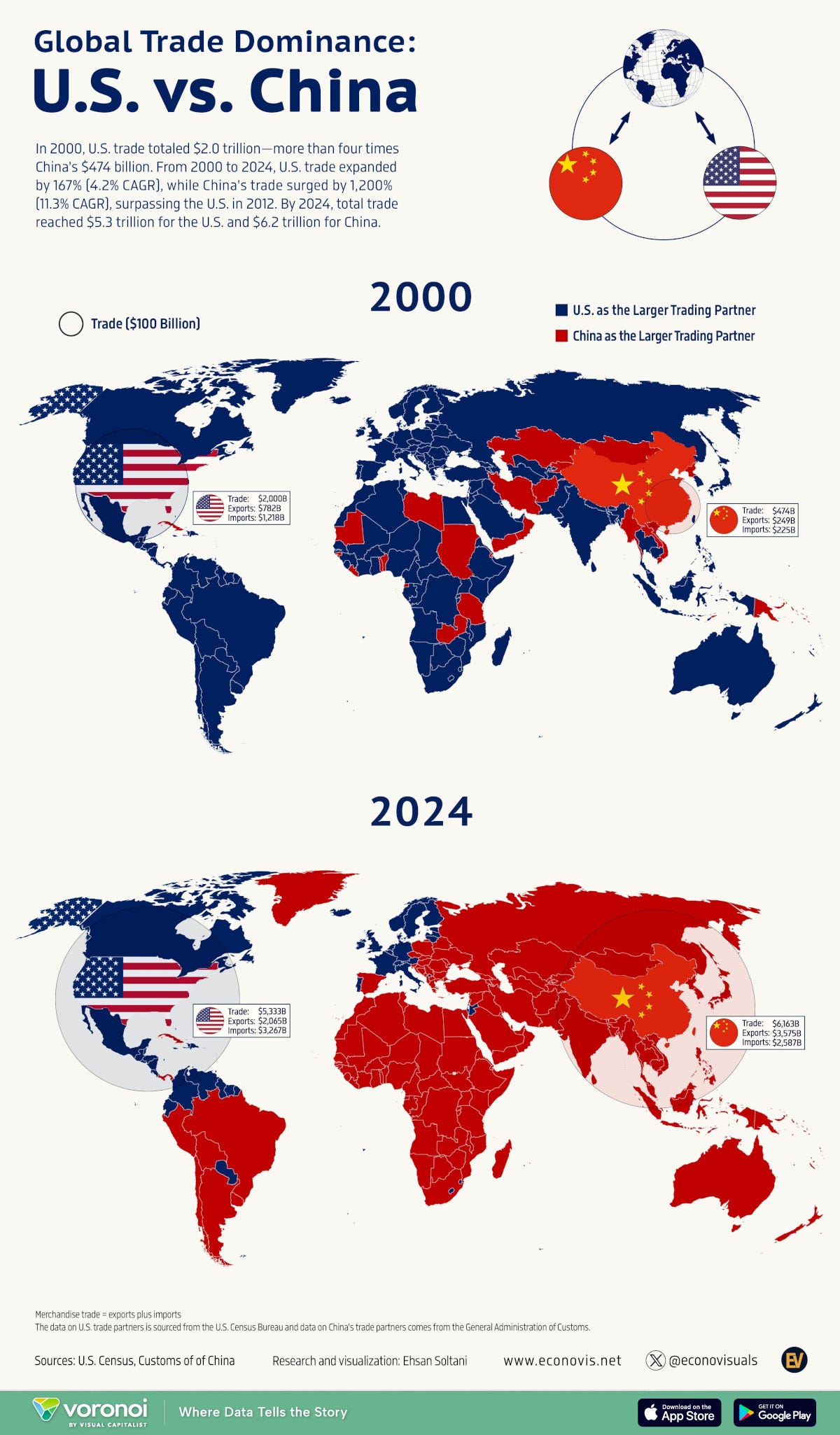
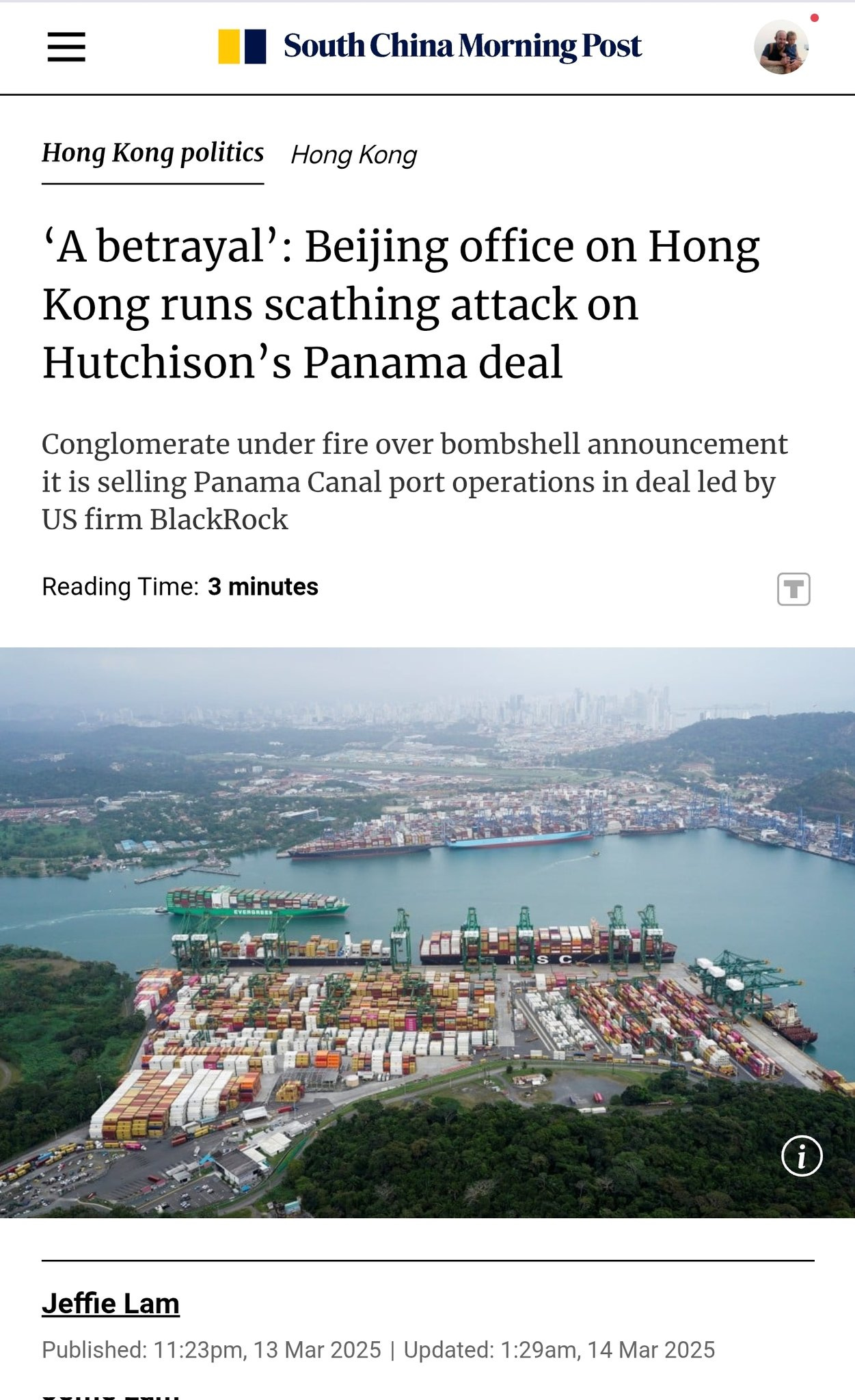
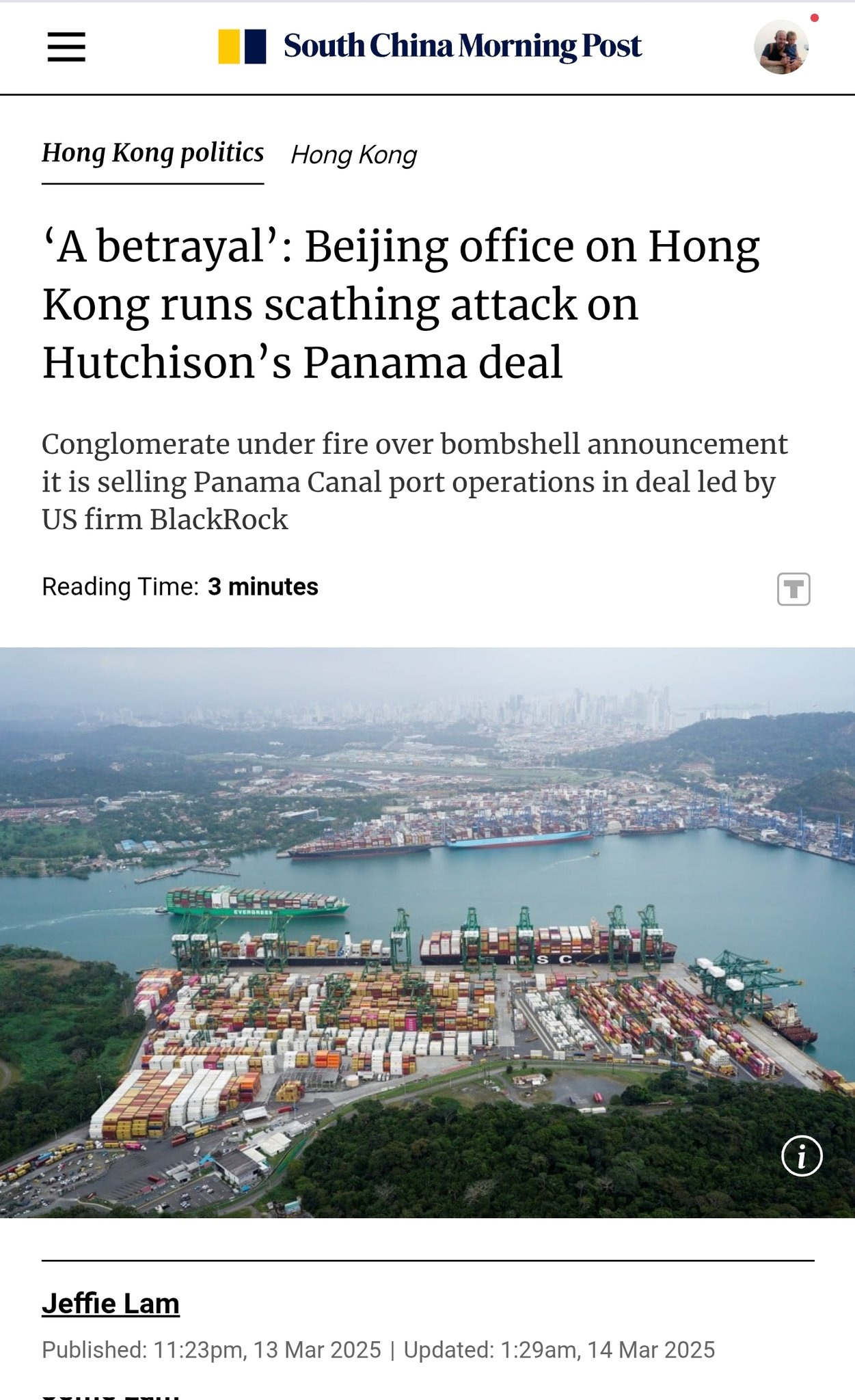
The Americans seemed to have wrestled the Panama canal from private Chinese hands recently, rather than getting it ‘according to the rules’.
Admiral Togo (and the Japanese military leadership) counted on an ill planned reactionary counter attack after their adversary was pushed off balance. The Russians needed to reclaim the status quo quickly since a large part of the adversary’s loss would be one to do not only with tangible possessions, but also global status and prestige. The initial loss of Port Arthur in 1895 to Russia through diplomatic pressures brought to bear by France, Prussia and Russia, gave the Japanese a harsh lesson in Realpolitik. The ‘Triple Intervention’ was a wake up call, and a harsh lesson that gave the Japanese time to prepare and plan. This is the opposite of what Russia had. The underdog always has time on its side, since it does not ‘need’ to regain what was lost.
Think about China today. Have they not also had their ‘Triple Intervention’ moment1? China has played (at least explicitly) by the rules, saving treasuries and building up their own manufacturing capacity. They went through the most astounding 4 decade period of industrialisation that the world probably has ever seen, only to be told:
Your savings (treasuries) are not going to be able to buy you everything
Your goods will not be allowed to flow freely into the world market.
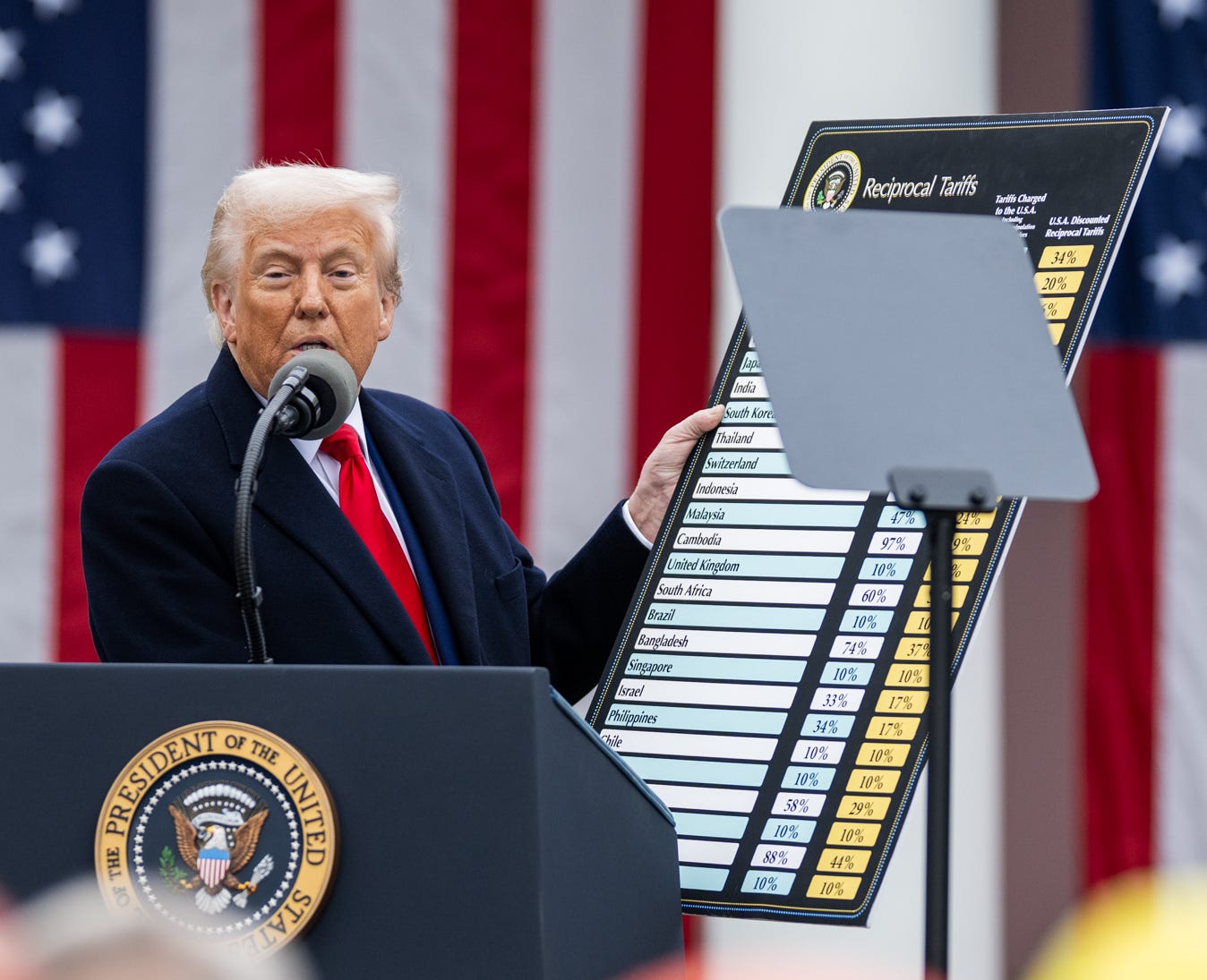
If so, China has had ample time to prepare. And no, I am not talking about the recent ‘Make America Wealthy Agian - Liberation Day’ on April 2nd 2025. The warnings from years back have been stark enough. Adversity breeds strategic clarity. And remember, time favours the underdog.
Has the West’s global position of prestige been impacted by recent events in Ukraine, the emergence of Deepseek and TikTok as tech juggernauts, and EV vehicles that rival US darlings like Tesla?
Tsushima was chosen as a choke point. A place of ambush forcing confrontation on a battlefield where the odds firmly favours the defender.
Just as the Japanese navy in 1905 knew the Russian fleet had to sail through the Tsushima Strait, we can think of the Chinese economy and industrial system today as sitting in wait at the economic "straits" — a choke point of global supply chains and production. The West is still sailing its "fleet" — powered by debt, tech legacy, and historical dominance — but it's approaching a strategically controlled bottleneck. There will come a time when technology and industrial modernity matters, and when debts matter. China perhaps doesn’t need to fire a shot? It just needs to let the current course play out and be ready when the “fleet” shows up in crisis. We may have just witnessed the 21st-century equivalent of the Baltic Fleet setting sail — on April 2.
Flying the Z Flag
Fun Fact: Admiral Tōgō flew the Z flag at Tsushima in 1905, signaling: "The Empire’s fate depends on this battle. Let every man do his utmost."2 (It worked.)
The flag transformed the Z signal into a do-or-die battle cry, electrifying Japanese sailors.
Like Nelson’s "England expects…" at Trafalgar (1805), it became a symbol of naval destiny.
Result: Japan annihilated the Russian fleet within 48 hours, losing only 3 small ships vs. Russia’s 21 sunk/captured.
What if China were to fly their own Z flag3?
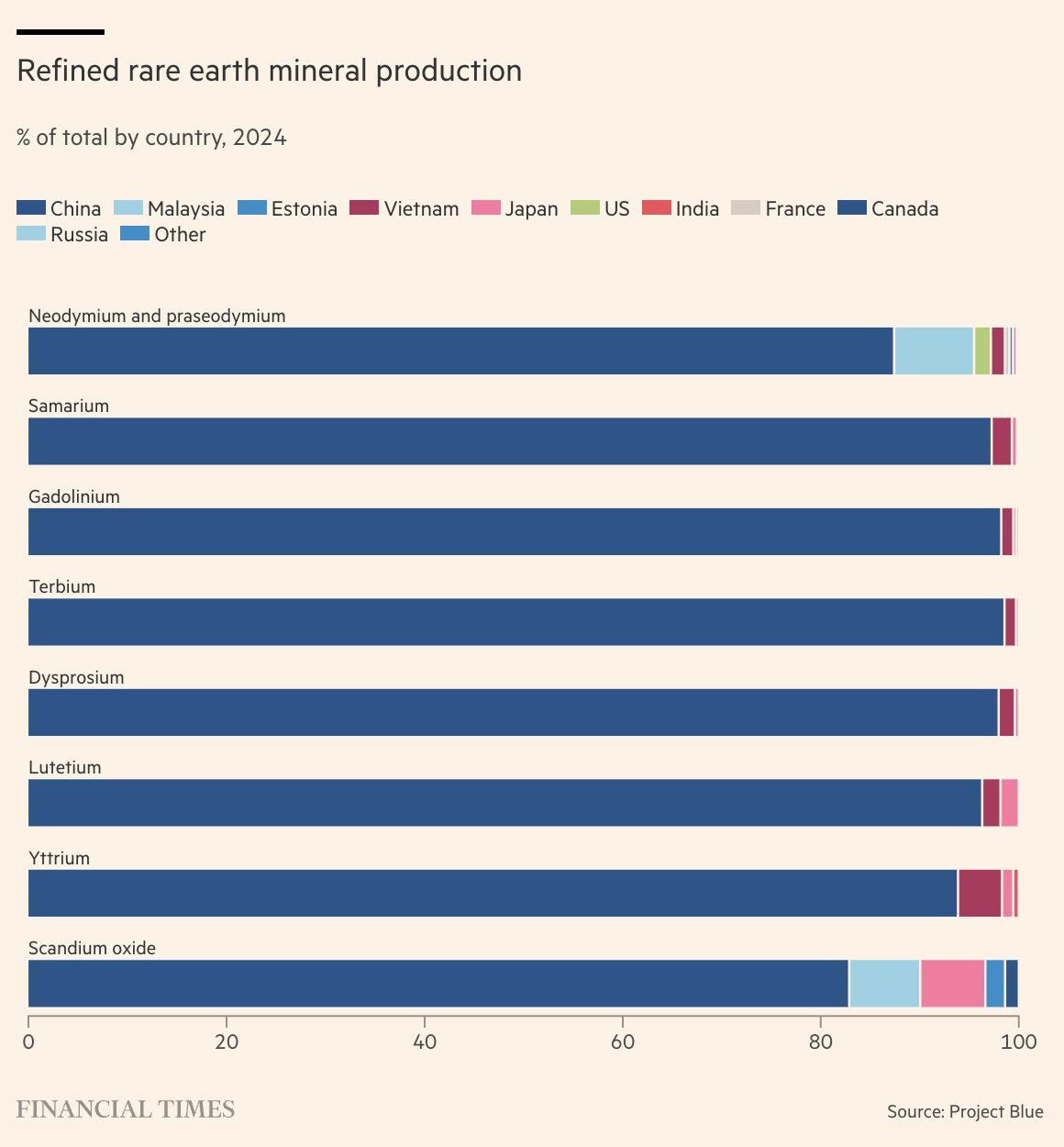
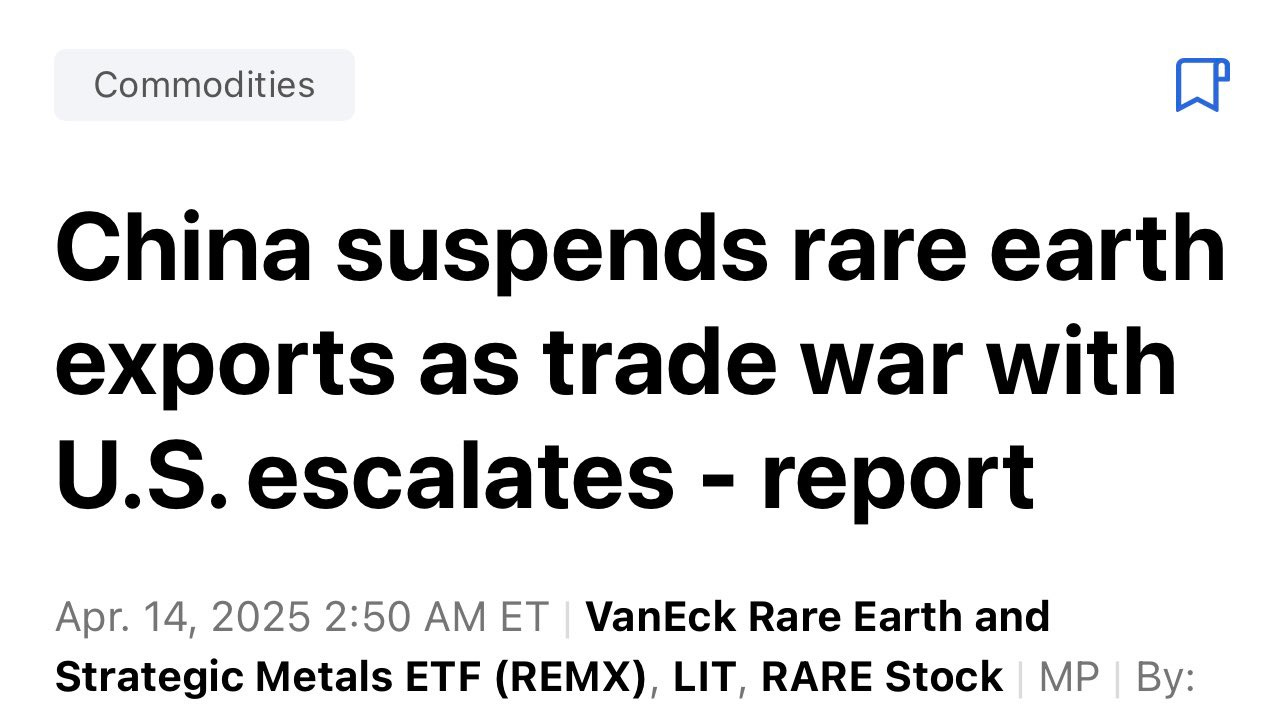
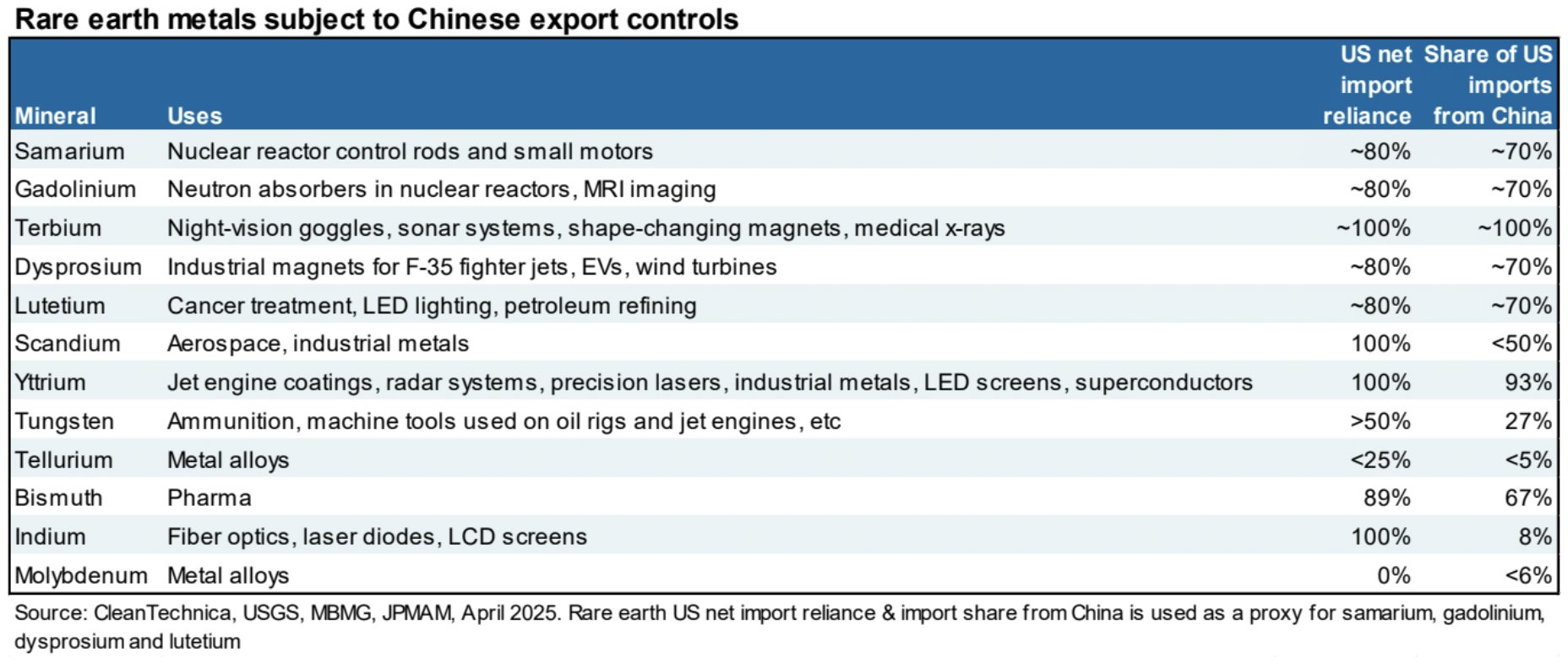
China controls the choke points of global supply chains, rare earths4, EV batteries, solar, electronics. Western economies can't function without Eastern production and low-cost inputs. China might wait until the West faces internal crisis, then move swiftly with offers, tech dominance, or new standards to other countries desperate for high tech goods.
Could NATO losing in Ukraine be the moment that forces the West to react? Just like the Russians did after losing their 1st Pacific Fleet? Or will it be a monetary crisis coupled with supply shortages?
Going back a few years:
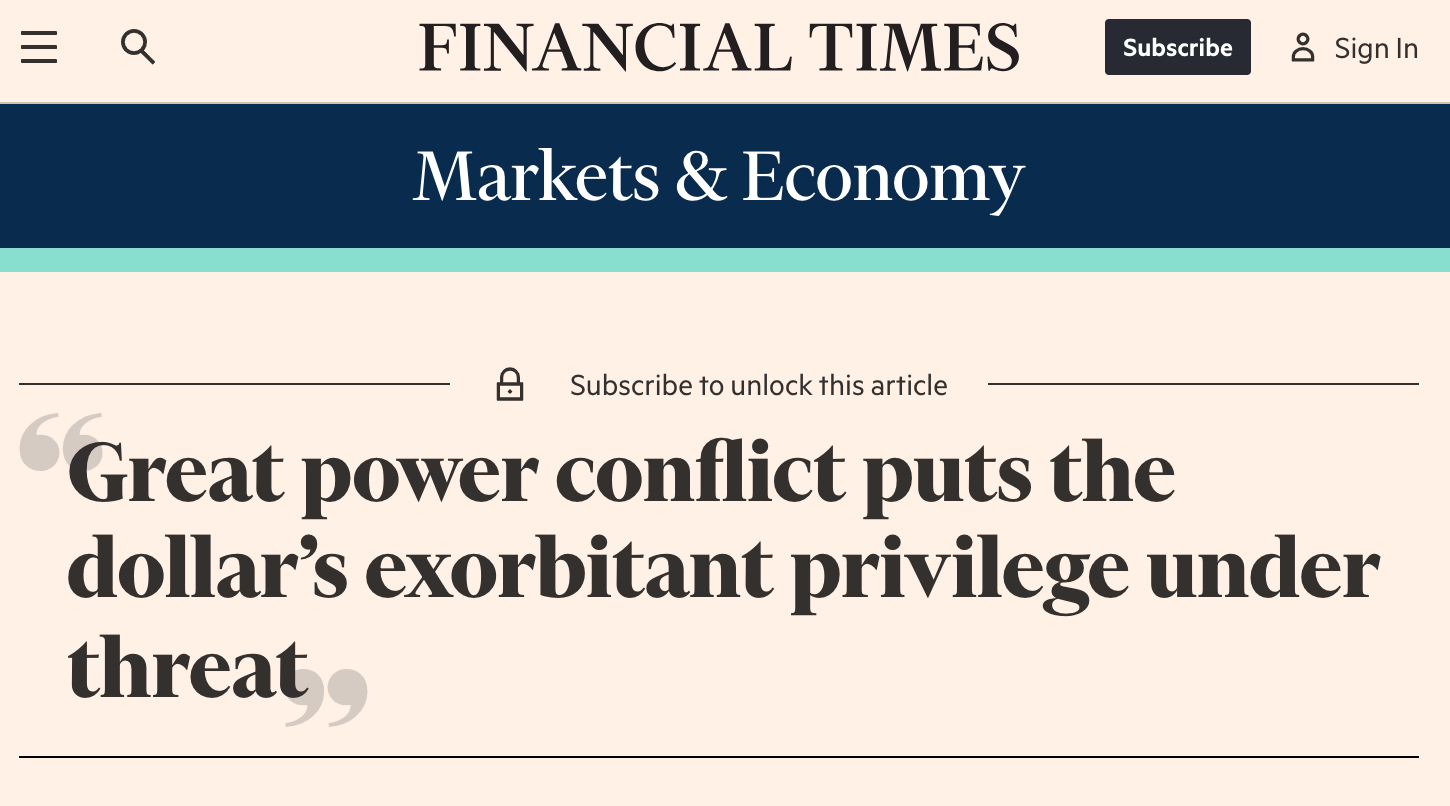
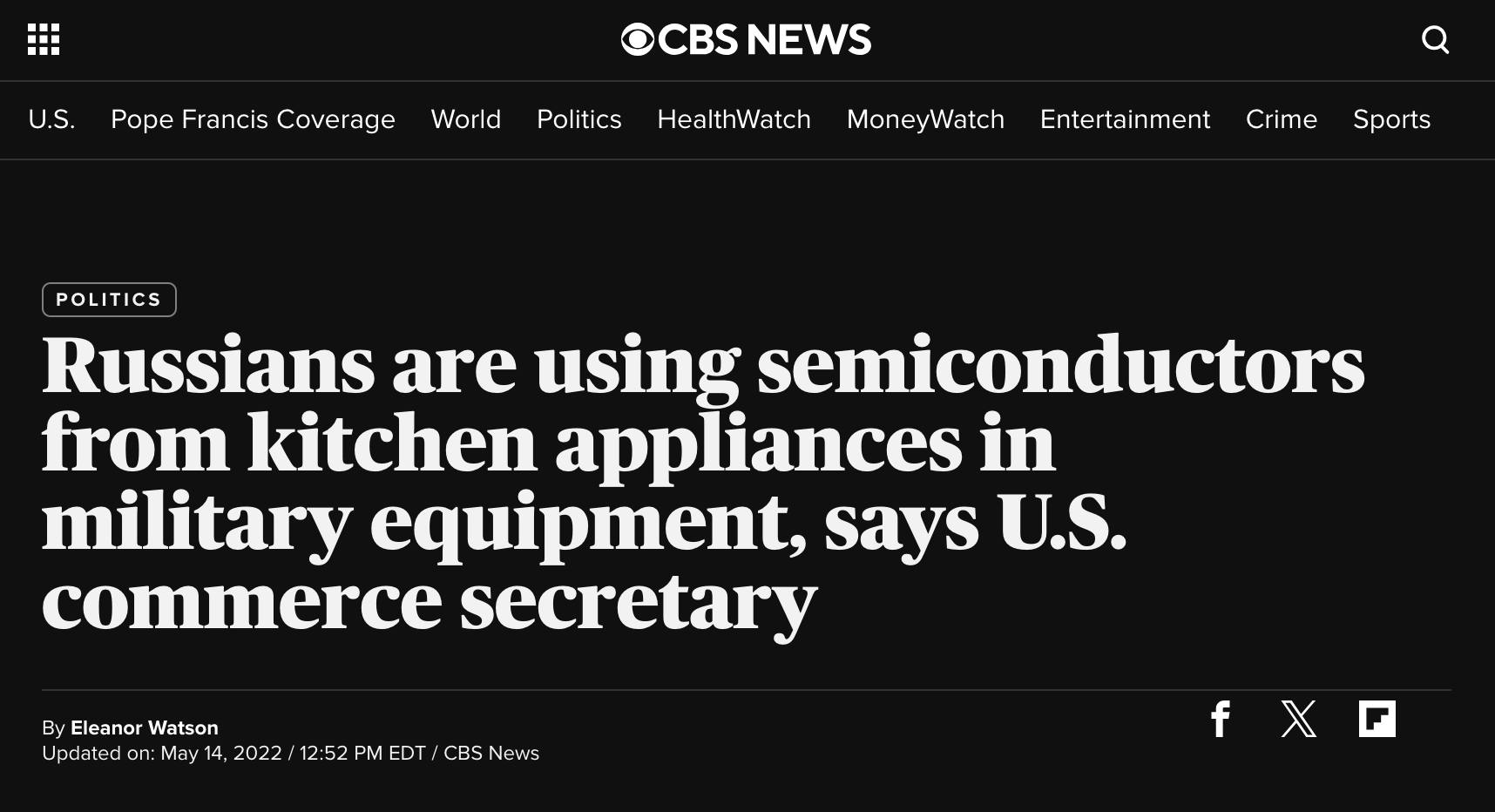
How it is going:
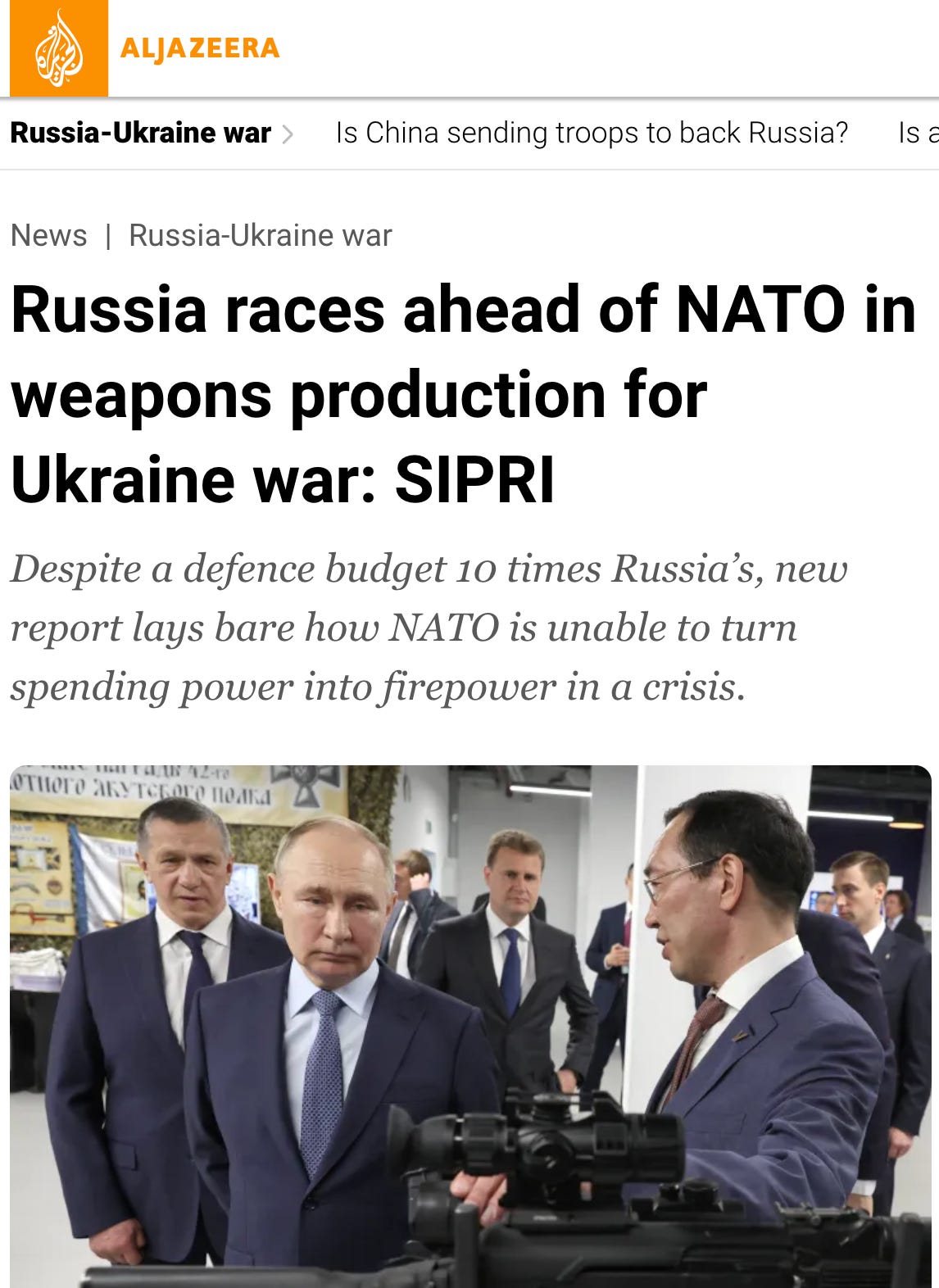
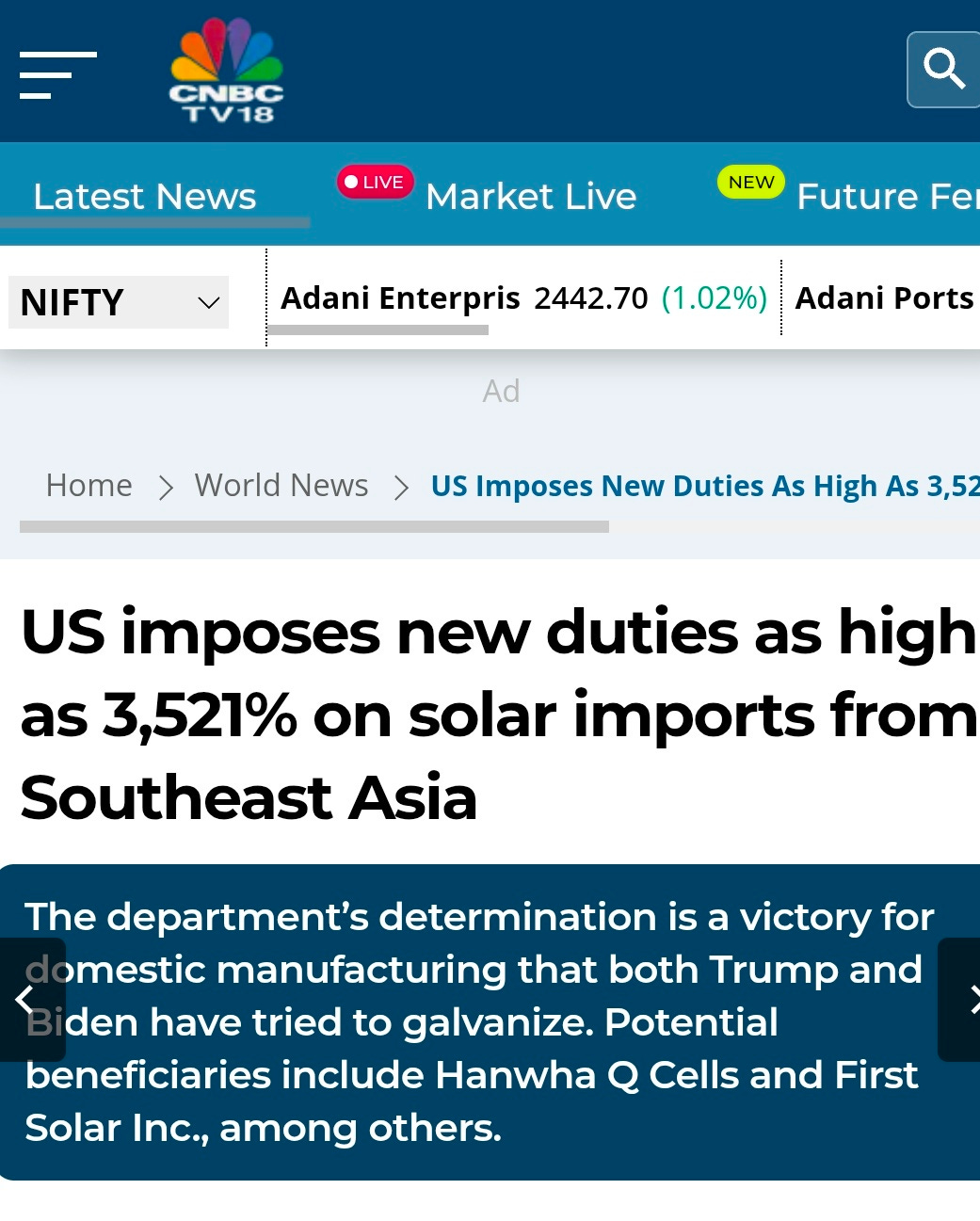
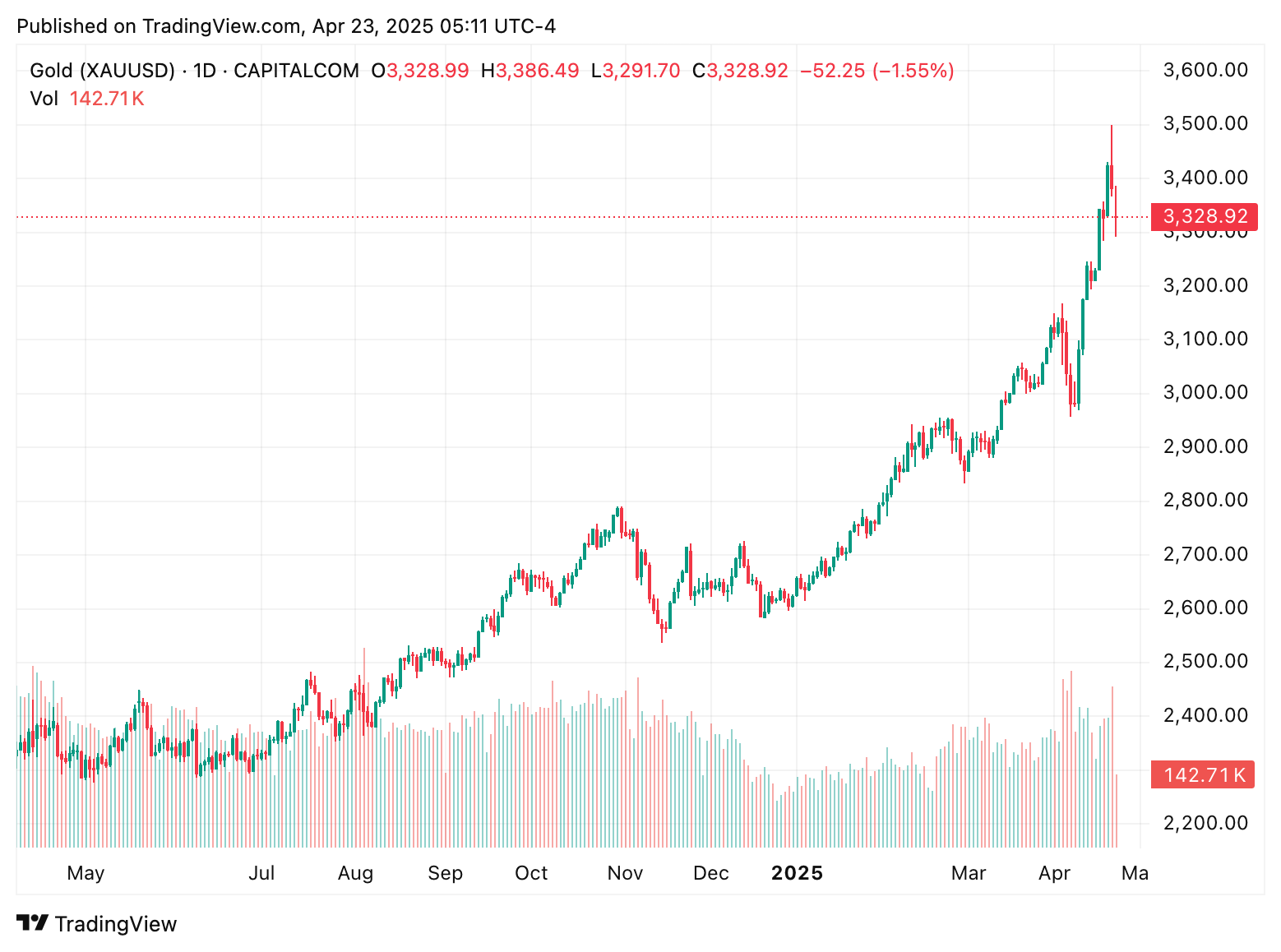
To me, we are already well into the ‘reaction’ phase from the west. Just as Togo and the Japanese ministry of defence had numerous signs that a clumsy reaction was on it’s way from across the globe, we will be wise to watch for our own signs. Perhaps markets are already pricing in a change in the global geopolitical landscape.
The Tsushima of our time won’t be a battle of battleships — it will be a battle of semiconductors, batteries, and operating systems. It is also surprisingly turning into a battle for projection of soft power with globally5. And just like 1905, it might happen faster — and more decisively — than anyone expects.
The Chinese have their own set of weaknesses that can be leveraged against them. Issues like demographic decline, internal political stability, or dependence on Western markets are not easily mitigated. However, that needs to be properly expanded upon in another article. For now, let’s hope that biases and egos do not get in the way of strategic thinking.
The question that remains: Will the US and the West walk into a trap, or consolidate to get themselves into a stronger position, rounding out their positions of weakness before going on any counter offensive. The stakes are high so miscalculations can be costly. This has been a long article, and so I will not touch on what Russia went through in the years after Tsushima.
The West, led by the United States and European Union, has implemented a range of containment strategies against China to limit its economic, technological, and military rise. These measures include sanctions, export controls, investment restrictions, and tariffs, often framed as addressing "unfair practices" or national security risks. Here are the key tactics:
1. Trade Wars & Tariffs
U.S. Section 301 Tariffs (2018–Present)
25% tariffs on $250+ billion of Chinese goods (e.g., semiconductors, machinery, electronics).
Goal: Punish IP theft and force manufacturing shifts (e.g., from China to Vietnam/Mexico).
EU Anti-Subsidy Tariffs (2023–2024)
Targeting Chinese electric vehicles (up to 38% tariffs), wind turbines, and solar panels.
2. Technology Embargoes
U.S. CHIPS and Science Act (2022)
Bans advanced semiconductor exports (e.g., ASML’s EUV machines to SMIC) and invests $52B in U.S. chip production.
5G Bans (Huawei, ZTE)
U.S./EU barred Huawei from 5G networks, citing spy risks; Japan/Australia followed.
Entity List (2019–Present)
Over 1,000 Chinese firms (e.g., Huawei, DJI, SMIC) barred from buying U.S. tech without licenses.
3. Investment Restrictions
U.S. Executive Order (Aug 2023)
Bans U.S. investment in Chinese AI, quantum computing, semiconductors.
EU "De-risking" Strategy (2023)
Limits EU funding for Chinese tech and screens outbound investments.
4. Military & Dual-Use Sanctions
CAATSA (2017)
Sanctions on Chinese military-linked firms (e.g., COSCO, CNOOC) over Iran/Russia ties.
FDP Rule (2020)
Blocks foreign firms (even non-U.S.) from selling chips to China if they use U.S. tech.
5. Supply Chain Decoupling
"Friend-shoring"
U.S./EU incentivize moving factories to India, Vietnam, Mexico.
Mineral Bans
Blocking Chinese rare earths (e.g., EU’s 2024 Critical Raw Materials Act).
The Z flag ( Z旗, Z-ki ) was a naval signal flag used by Admiral Tōgō Heihachirō during the Battle of Tsushima (May 27–28, 1905) to rally his fleet before their decisive victory over Russia. Here’s why it became legendary:
1. The Signal’s Meaning
Literal Meaning: In international maritime flag codes, the Z flag signifies:
"I require a tug." (Normally used for distress or assistance).
Tōgō’s Repurposing: He used it as a battle slogan, adding this historic message:
「皇国ノ興廃此ノ一戦ニ在リ、各員一層奮励努力セヨ」
("The Empire’s fate depends on this battle. Let every man do his utmost.")
2. Why It Mattered at Tsushima
Psychological Impact: The flag transformed the Z signal into a do-or-die battle cry, electrifying Japanese sailors.
Historical Parallel: Like Nelson’s "England expects…" at Trafalgar (1805), it became a symbol of naval destiny.
Result: Japan annihilated the Russian fleet within 48 hours, losing only 3 small ships vs. Russia’s 21 sunk/captured.
3. Legacy
WWII Echo: The Z flag was reused by Japan during the attack on Pearl Harbor (1941)—linking Tsushima’s glory to new ambitions.
Modern Symbol: In Japan, it remains shorthand for "all-out effort" (e.g., sports, business).
Fun Fact
The actual flag flown by Tōgō is preserved at the Yasukuni Shrine in Tokyo.
WHAT IS TODAY’S "STRAIT OF TSUSHIMA"?
The “straits” today are economic, technological, and infrastructural — areas where China knows the West must pass through, eventually, either to source goods, access technology, or maintain industrial stability.
Here are modern choke points where China is lying in quiet ambush:
1. Semiconductors and Advanced Manufacturing
China’s Position: Building fab capacity with state backing (SMIC, YMTC)
Parallel: The West’s “fleet” of tech companies depends on East Asian fabs; sanctions may delay but not prevent Chinese catch-up.
Ambush Moment: China produces competitive 5–3nm chips domestically → huge reputational shift.
2. EV Supply Chain & Green Tech
China’s Position: 70%+ of global battery production, control of lithium/cobalt refinement, dominance in solar panel exports
Parallel: Western EV transition relies heavily on Chinese components.
Ambush Moment: A Western auto giant collapses or becomes fully dependent on Chinese components.
3. Manufacturing Base
China’s Position: Still unmatched in complexity + scale; plus exporting that capability to SE Asia & Africa
Parallel: West lost industrial depth and can't rapidly rebuild
Ambush Moment: Global crisis (war, trade rupture, pandemic 2.0) → China becomes only stable source of goods.
4. Finance & Debt
China’s Position: Less debt-per-GDP, bigger currency reserves, stronger state control
Parallel: Western nations are approaching debt cliffs; printing money has diminishing returns
Ambush Moment: Sovereign debt crisis or inflation wave → Global South pivots toward Gold, backed by Chinese financial system Rails.
5. AI + Infrastructure
China’s Position: Dominant in AI applications, smart cities, surveillance tech, digital infrastructure in Global South. Deepseek was already arguably a massive Eureka moment.
Parallel: West argues over regulation while China deploys at scale.
Ambush Moment: AI system or surveillance platform becomes global standard outside the West — tipping digital control eastward.
WHEN MIGHT THE AMBUSH BE SPRUNG?
Timing matters — and China is unlikely to move aggressively until the following converge:
Western debt spiral accelerates → leading to weakened currencies and social unrest.
Global South seeks alternatives → China offers BRI 2.0, digital yuan, manufacturing support, neutral reserve asset.
Western media or political class cracks → admitting "we need China to fix this."
Symbolic moment of failure — much like Tsushima — e.g., a failed Western intervention, a major tech collapse, or a failed decoupling attempt.
At that moment, China won’t need to "attack". It just steps in as the most prepared, functional system.
THE WORLD’S "EUREKA" MOMENT — WHAT IT WOULD TAKE
Just like the West was stunned in 1905 that an “Eastern island nation” defeated a European empire, the modern equivalent might look like:
An allied bloc (US-EU-Japan) failing to launch an independent chip industry
BYD or Huawei becoming the default supplier for Europe or Latin America
Global currencies starting to diversify into RMB or BRICS alternatives
US defense manufacturers failing to meet wartime demand, while China scales military drone output in weeks
The shock won't be military, it will be in who can deliver under pressure — in other words, who owns the strategic “straits.” The West’s "fleet" is massive — still loaded with capital, allies, and talent — but it's sailing into a strait with fewer and fewer options as time works against them. Every year of the current status quo equates to more debt for the west, and more industrial output gaps with her adversaries.